How to Create an Intentional Home (That Actually Supports Your Life)
If your home is clean, minimalist, and technically “beautiful,” but somehow still feels a little… flat, I get it. I’ve been there. You know the kind of home I mean — everything is tidy, neutral colors everywhere, surfaces perfectly clear — and yet it doesn’t feel like you. Almost like a showroom you’re scared to touch. Calm, yes, but a little lifeless.
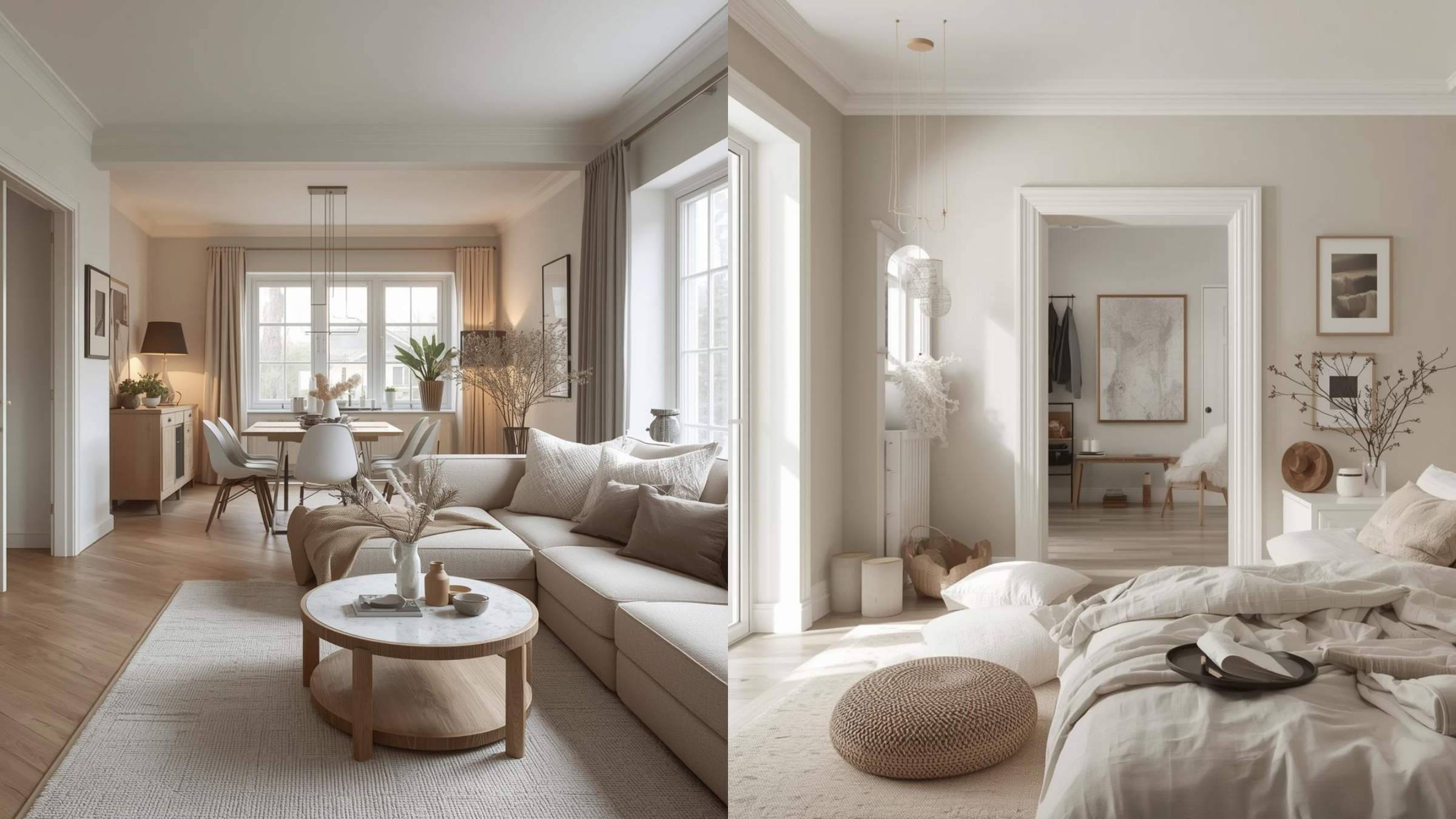
We often decorate our homes for how they should look, not for how we actually live.
An intentional home starts when you stop styling for others and begin designing for yourself.
What Does an Intentional Home Really Mean?
An intentional home is a space where things exist for a reason — not just because they were bought, gifted, or left there over time.
It doesn’t mean owning less for the sake of it.
It means choosing better.
An intentional home:
Reflects how you actually live, not how you think you should live
Supports your routines instead of complicating them
Feels calm, even when it’s not perfectly tidy
Makes everyday moments easier and more pleasant
At its core, intentional living at home is about alignment — between your space and your life.
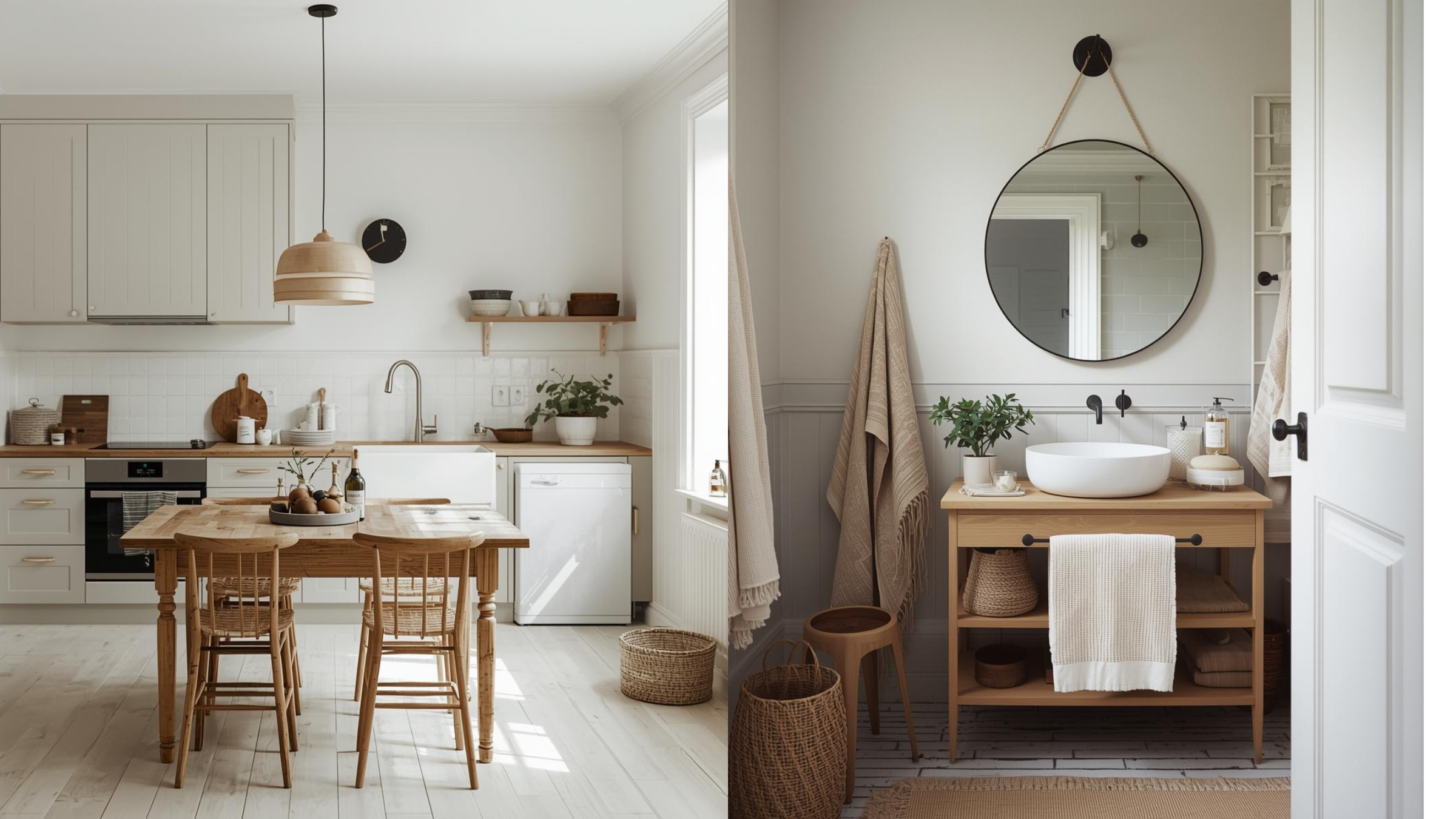
Start With How You Want Your Home to Feel
Before thinking about furniture, colors, or storage, pause for a second and ask yourself something simple:
How do you want your home to feel when you walk through the door?
Not how it should look online.
Not what’s trending this season.
But how it holds you on a very normal day.
Maybe you want your home to feel:
Calm and grounding in the evenings
Light and energizing in the mornings
Cozy, but not cluttered
Easy to maintain, not overwhelming
There’s no right or wrong answer here.
This feeling becomes your compass. Once you’re clear on it, decisions get easier — what to keep, what to change, and what no longer belongs.
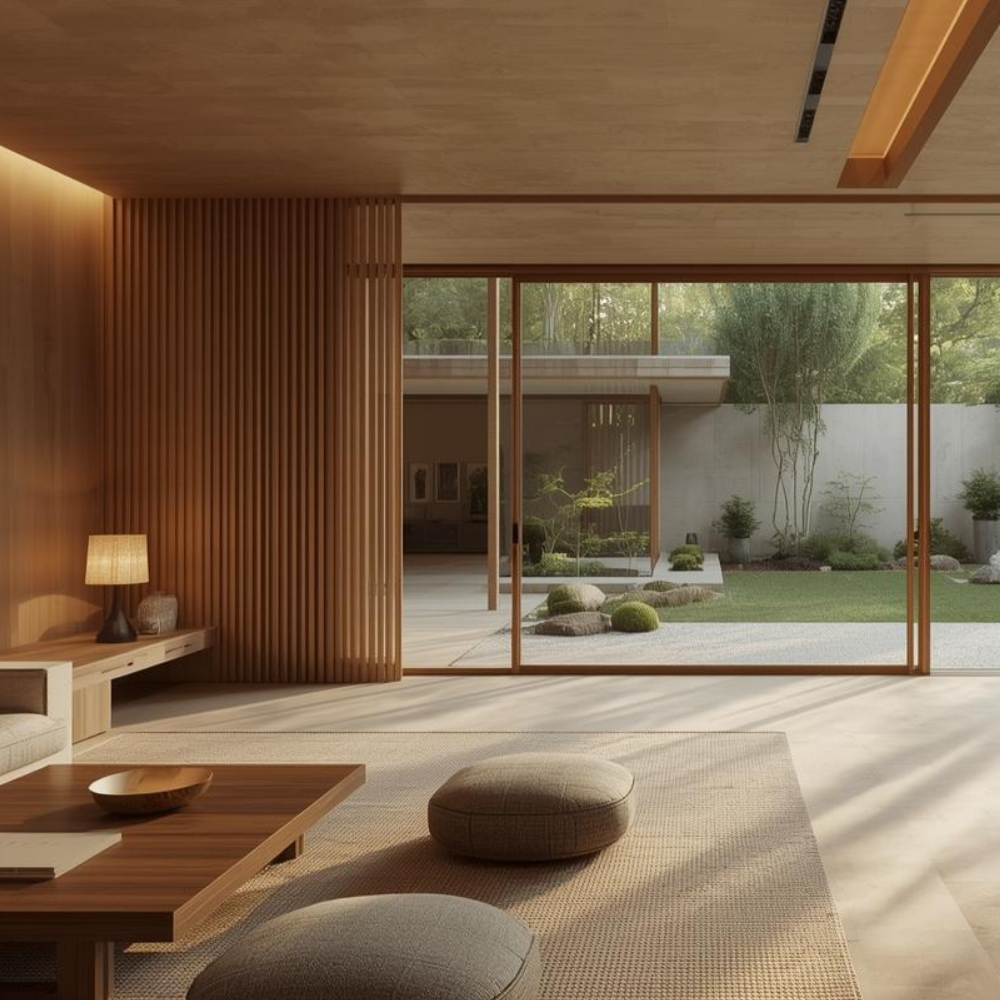
Démarquez-vous
Edit Before You Add Anything New
One of the most important steps in creating an intentional home is editing what’s already there.
Before buying something new, look at what you have and ask:
Do I use this regularly?
Do I love it?
Does it support how I want my home to feel?
A few things that often quietly drain a space:
Duplicates you don’t need
Items kept out of guilt
Things meant for a “future version” of life
Letting go isn’t about loss — it’s about making space.
Space for clarity, ease, and the things that truly matter.
Design for Real Life, Not a Perfect Aesthetic
Homes are meant to be lived in, not staged.
An intentional home works with your routines instead of forcing you to work around it. That means designing spaces based on real habits, not ideal ones.
Some examples:
Storage where things naturally land, not where they “should” go
Seating where you actually sit, not just where it looks good
Lighting that works for daily tasks, not just atmosphere
When a home is designed for real life, it naturally feels calmer. You spend less time adjusting and more time simply being there.
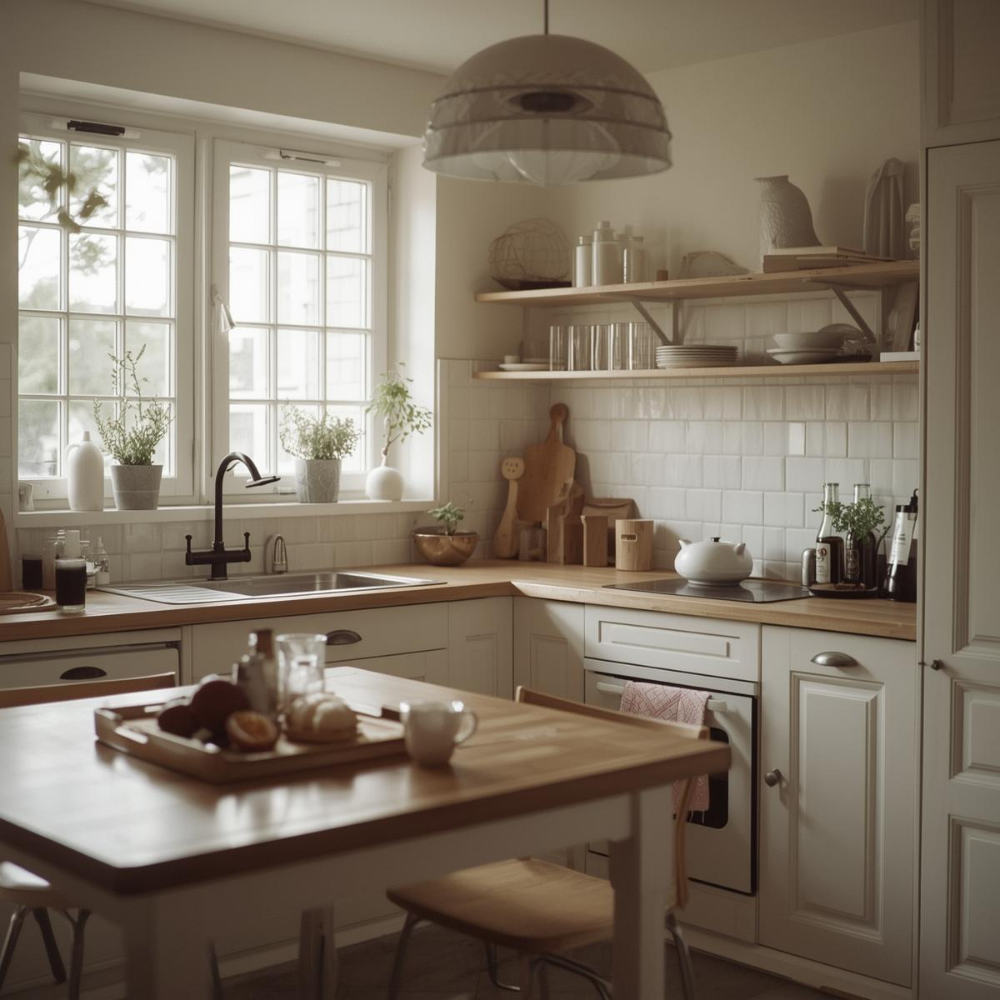
Create Meaning With Small, Everyday Details
Intentional living isn’t built through big changes alone. Often, it’s the smallest details that make a home feel deeply personal.
Things like:
A favorite mug you reach for every morning
A book you return to often
A lamp that makes evenings softer
Objects with stories, not just style
These details don’t shout for attention, but they quietly shape how your home feels. They turn space into comfort and routine into ritual.
5 Simple Ways to Make Your Home More Intentional Today
You don’t need a full redesign to start. Small shifts matter.
Clear one surface completely and only put back what you truly use
Choose one room and define how you want it to feel
Remove one item that adds visual or mental noise
Improve lighting in one corner of your home
Create one small “pause spot” — a chair, a corner, a table
Intentional homes are built through consistent, thoughtful choices, not big transformations.
Common Mistakes That Make a Home Feel Unsettled
Even beautiful homes can feel off when intention is missing. Some common reasons:
Decorating before decluttering
Buying things without knowing where they’ll live
Copying inspiration without adapting it to real life
Overfilling every empty space
Leaving room — visually and mentally — is part of intentional design.
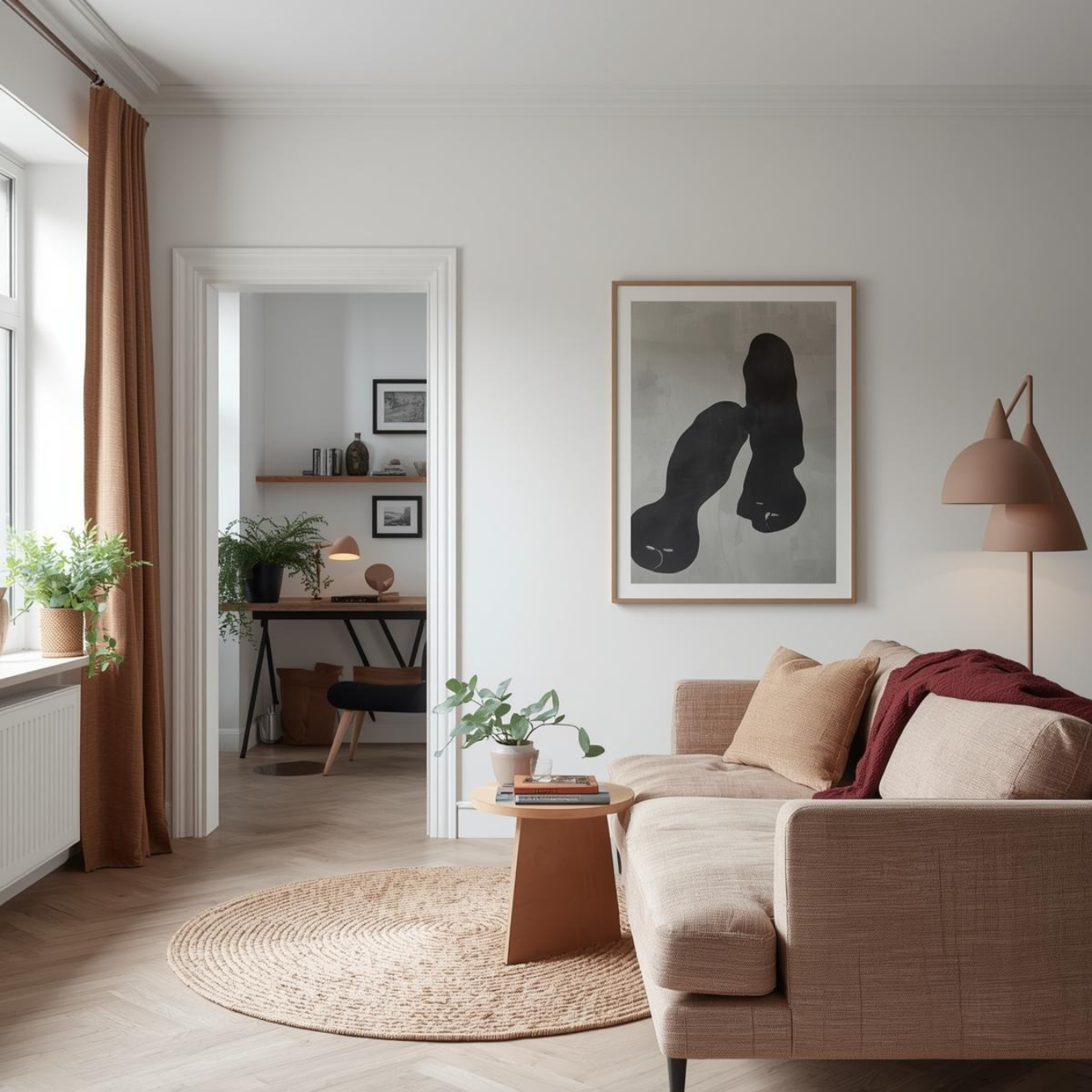
Your Home Is Allowed to Grow With You
An intentional home isn’t something you finish.
It evolves as your life changes.
What feels right now might not feel right next year — and that’s okay. The goal isn’t to get it perfect, but to stay aware, curious, and gentle with your space.
If you start small and listen to how your home responds, it will slowly begin to support you in ways you didn’t even realize you needed.
What’s one small change you could make today to bring more ease into your space?
