The Untold Struggle of Decorating Slowly: When a “Slowly Curated Home” Feels Impossible to Live In
We’ve all heard it: “If you want an interesting home, don’t rush—decorate slowly. Let each piece find its place over time.” Instagram feeds, design magazines, and even your friend who somehow always nails that effortless “collected over years” vibe, all sing the same hymn. Slow decoration, they say, is the key to a home that tells a story.
But nobody warns you about the hard part: actually living in a home while it’s still a work in progress.
There’s a romantic notion that decorating slowly means your home will magically evolve into a cozy, sophisticated sanctuary. The reality? It often feels like a constant state of limbo.
1. The “Missing Piece” Syndrome
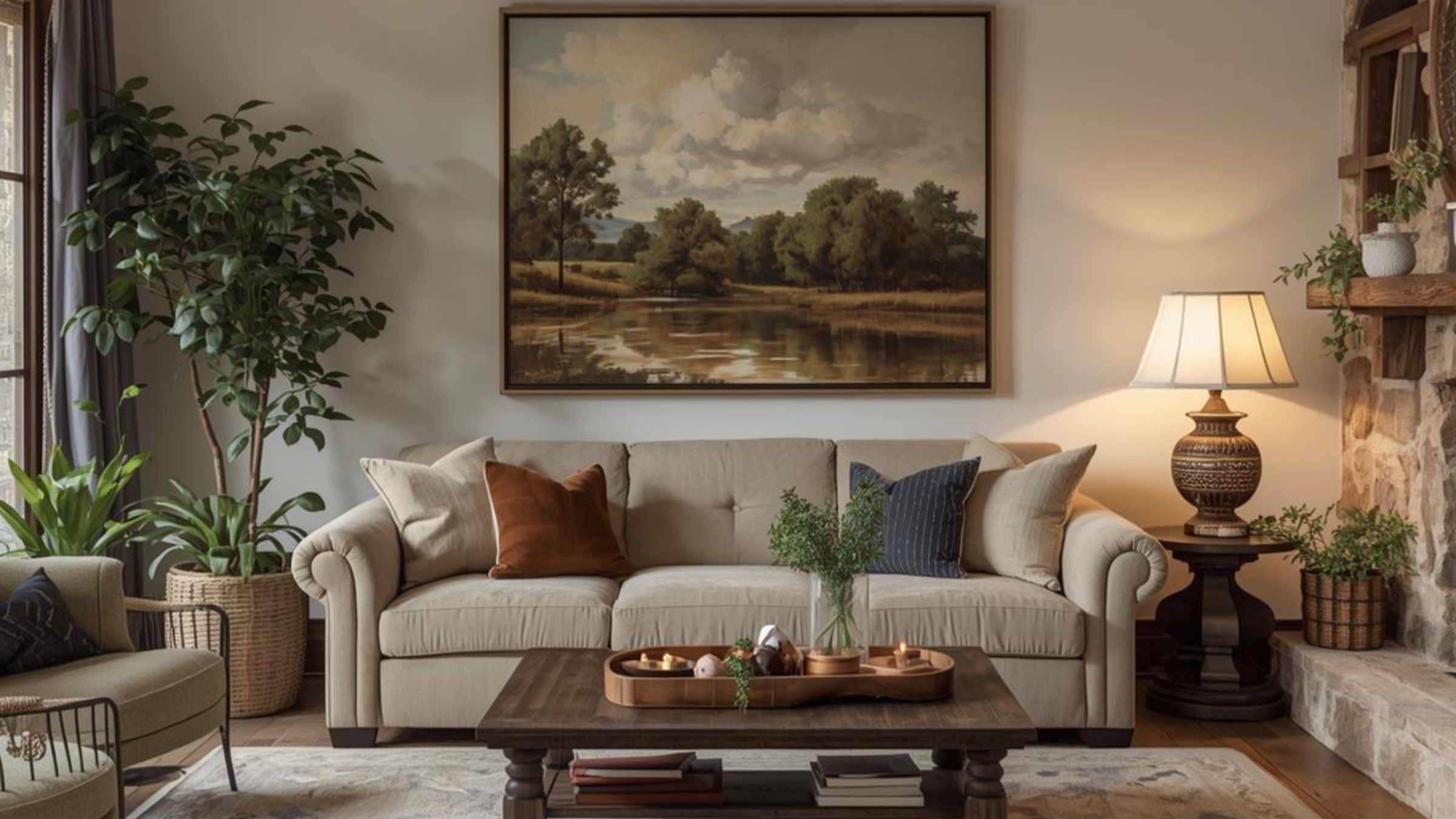
You find yourself staring at a blank wall, imagining the perfect art to hang there. Weeks turn into months. The wall remains empty. Guests notice. You notice. That feeling of incompleteness never really leaves. Living in a home that’s only partially furnished or decorated can make the space feel unfinished, almost like you’re temporarily camping in your own life.
2. The Clutter of Waiting
Slow decorating often means “waiting for the right piece” rather than filling the space functionally. Until that perfect armchair, rug, or lamp arrives, you end up improvising with things that don’t quite fit—or worse, living without them. The result? Clutter, mismatched furniture, or awkward spaces that make everyday life a little harder.
3. The Emotional Rollercoaster
Decorating slowly isn’t just a logistical challenge; it’s emotional. You wrestle with indecision, second-guessing, and the creeping fear that you’ll never finish. Every trip to a store or scrolling session online can feel like a high-stakes mission: “If I buy this, will it ruin the aesthetic I’m trying to create?”
4. Hosting Anxiety
Guests always notice unfinished spaces—even if you’re convinced they don’t. There’s an unspoken stress that comes with having people over when your home is in flux. That “slowly curated” Instagram-worthy vibe? It’s nowhere to be seen amid empty shelves and bare walls.
5. The Patience Paradox
Here’s the cruel irony: slow decorating is supposed to be about patience, but patience is hard when your home doesn’t yet feel like home. You want your space to evolve gradually, but you also want to live comfortably in it now. Balancing the two is a daily struggle.
So, How Do You Survive It?
Prioritize functionality first: Make sure your home works for daily life, even if it doesn’t look perfect. Comfort beats aesthetics, always.
Embrace the “in-between” style: Intentionally arrange what you have to make it feel cohesive, even if it’s temporary.
Set micro-goals: Instead of waiting for the perfect sofa, focus on one corner at a time. Small wins feel like progress.
Let imperfection exist: A home that’s lived-in is always more interesting than one frozen in curation limbo.
Decorating slowly is a philosophy that works beautifully in theory. But living in a slowly decorated home? That’s a full-time exercise in patience, compromise, and creative problem-solving.
Maybe the real secret to an interesting home isn’t just about letting things evolve—it’s about learning to love the home in its imperfect, unfinished state, because that’s where the stories—and memories—actually begin.
