How to Optimize 5G Radiation Exposure in Your Home
(Without Turning Your Life Upside Down)
Let’s be honest: most of us didn’t sign up to live surrounded by routers, smart devices, baby monitors, and cell towers, but here we are.
If you’ve ever gone down a late-night Google rabbit hole about 5G radiation, you’ve probably felt that familiar mix of “Should I be worried?” and “Okay, but what can I realistically do?”
Good news: you don’t need to move to the woods or wrap your walls in tin foil. There are practical, design-friendly ways to optimize your home environment while keeping your space beautiful, modern, and calm.
Think of this like choosing organic food or blackout curtains:
it’s about intentional living, not fear.
1. Interior design choices that support a low-EMF lifestyle
Your home layout matters more than you think.
Simple design tweaks:
Place Wi-Fi routers away from bedrooms
Avoid mounting routers on shared bedroom walls
Keep smart devices clustered, not spread throughout the home
Create “low-tech zones” (especially where you sleep)
I moved my router from my bedroom wall to the hallway and didn’t expect much, but my sleep felt deeper almost immediately. Coincidence? Maybe. Peace of mind? Absolutely.
2. Wall paints & coatings: what actually exists
There are EMF-shielding paints on the market, usually carbon-based.

What to know:
Designed to reduce radiofrequency penetration
Often used on one wall only, not entire rooms
Must be properly grounded to be effective
Best for urban apartments close to antennas
Tip:
Shielding paint is not decorative, it’s usually dark and needs a top coat.
Best use cases:
Behind a bed headboard
Home offices
Nursery walls facing external antennas
Between sleeping area and an outside radiation source
3. Natural materials that align with low-radiation design
While no natural material “blocks” 5G completely, some materials interact less with electromagnetic fields than others.
Preferred materials:
Solid wood furniture
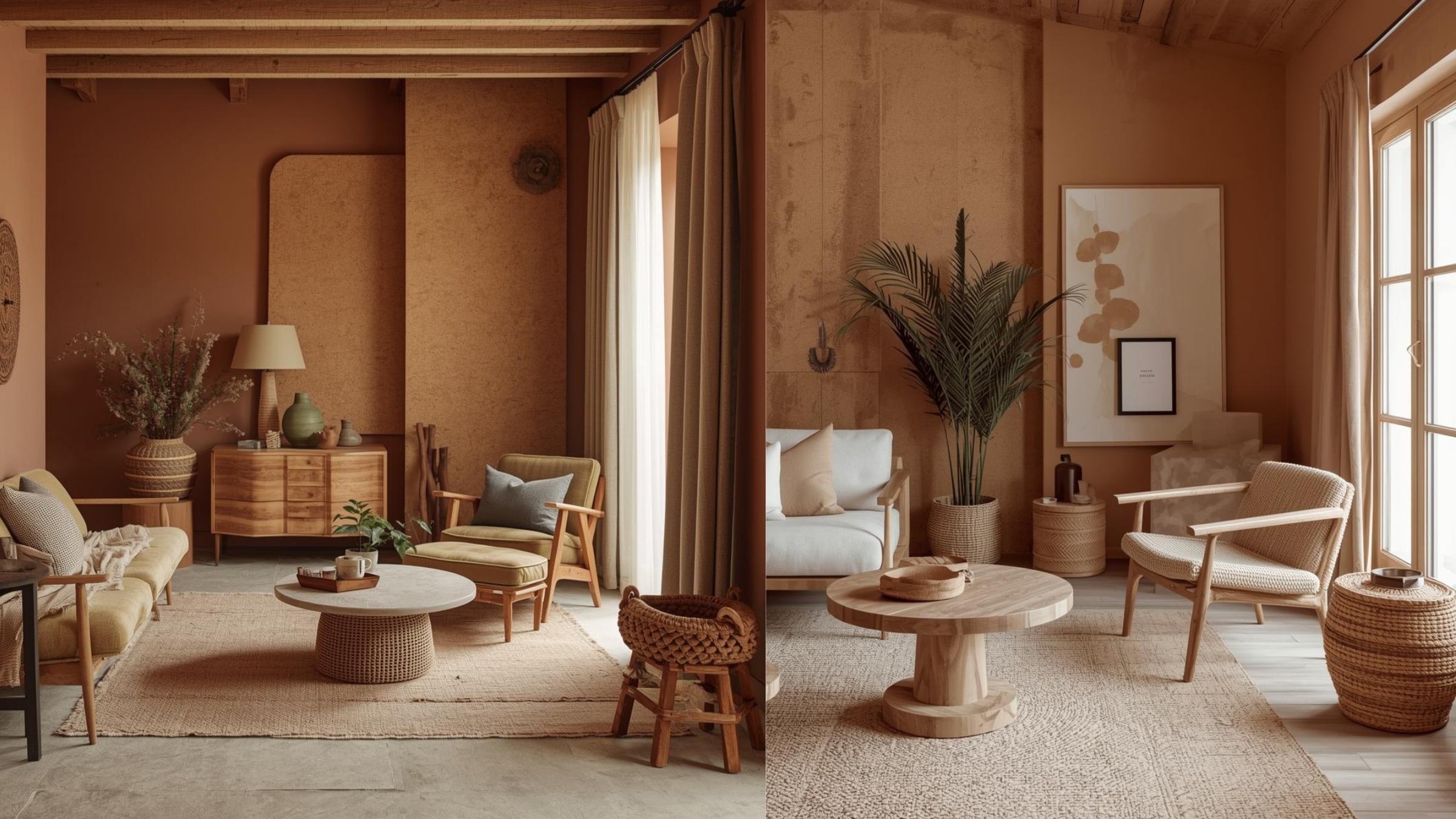
Clay, lime, or mineral wall finishes
Cork wall panels
Wool rugs and curtains
Linen, cotton, hemp textiles
Bonus: these materials also regulate humidity and feel amazing to live with.

4. Curtains, coverings & soft shielding options
If paint feels too intense, softer options exist.
EMF-shielding curtains (often silver-thread woven)
Decorative wall hangings with shielding layers
Bed canopies designed for RF reduction
These are especially popular in:
Bedrooms
Baby rooms
Apartments near cell towers.
5. Trees & plants
Yes. trees do reduce radiation levels
Trees do not block radiation like a lead wall, but they attenuate (weaken) radiofrequency signals, including those used by 4G/5G.
How trees actually reduce radiation (the real mechanism)
Trees reduce RF radiation through attenuation and scattering, meaning:
Leaves, branches, and trunks absorb part of the signal
Water content in vegetation is especially effective at weakening RF waves
Dense foliage disrupts line-of-sight transmission, which RF relies on
👉 Result: lower measured radiation levels behind trees compared to open space.
This effect is well-documented in:
Telecommunications planning
Urban RF mapping
Cell tower placement studies
That’s why network engineers:
Avoid dense forests for signal propagation
Compensate with higher power or more antennas in green areas
Not all trees are equal
Trees reduce radiation more when they are:
Dense (thick foliage, not sparse branches)
Evergreen (year-round attenuation)
High water content (broadleaf species)
Placed directly between the source and the home
A single decorative tree won’t do much but a row of mature trees or hedges absolutely will.
Best trees & vegetation for RF attenuation
Based on structure + moisture:
Pine, spruce, fir (evergreens)
Oak, maple, beech
Bamboo (very effective when dense)
Thick hedges (laurel, privet, leylandii)
Urban tip: a green wall or hedge between your home and the street can measurably reduce exposure. Think of plants as environmental buffers, not shields.

6. Everyday habits that make the biggest difference
High-impact habits:
Turn off Wi-Fi at night
Use wired headphones, keyboards, phones, mouse
Keep phones off your body when possible
Avoid charging devices near your bed
Use wired internet in home offices if available
do not connect kitchen gadgets to wifi/bluetooth - use buttons
These changes cost nothing, and give you instant control.
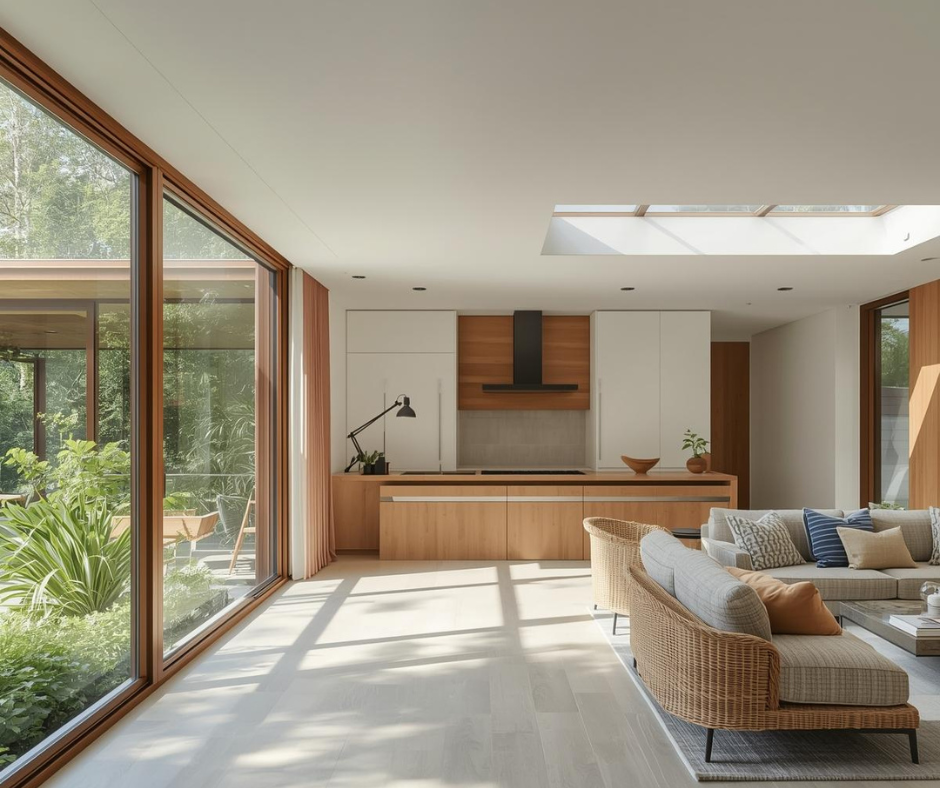
It’s about choice, comfort, and intention.
You deserve a home that feels
Calm
Grounded
Supportive
Designed for you, not just for technology
Start small. One wall. One habit. One room.
